
Muktangan
Decoration

ECE & Anganwadi Transformation

Get the earliest years right, and everything else follows. We partner with government systems to strengthen Early Childhood Education within India's Anganwadis.

Why Now

Why Early Childhood, Why Now

The first six years of life are the most critical period in a child's development. India already has one of the world's largest early childhood networks - over 1.3 million Anganwadi Centres under ICDS. The opportunity is not to create a parallel system, but to strengthen the one that already exists.

NEP 2020 has brought Early Childhood Care and Education into the formal education continuum through the Foundational Stage.
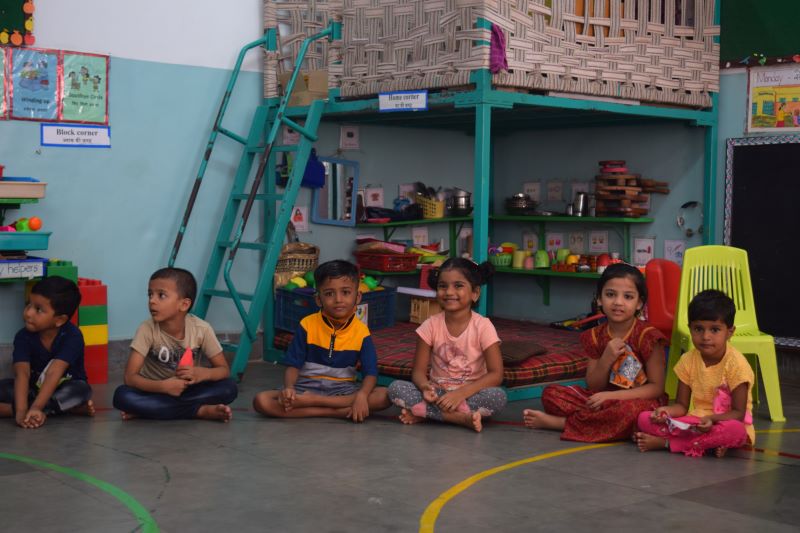
Anganwadi children
1.3 Million+Anganwadis nationwide
Our Philosophy

Grounded In A Few Powerful Beliefs

01

Strengthen, Don't Replace

We build capacity within existing government systems so change is owned by the community.

02

Play Is How Children Learn

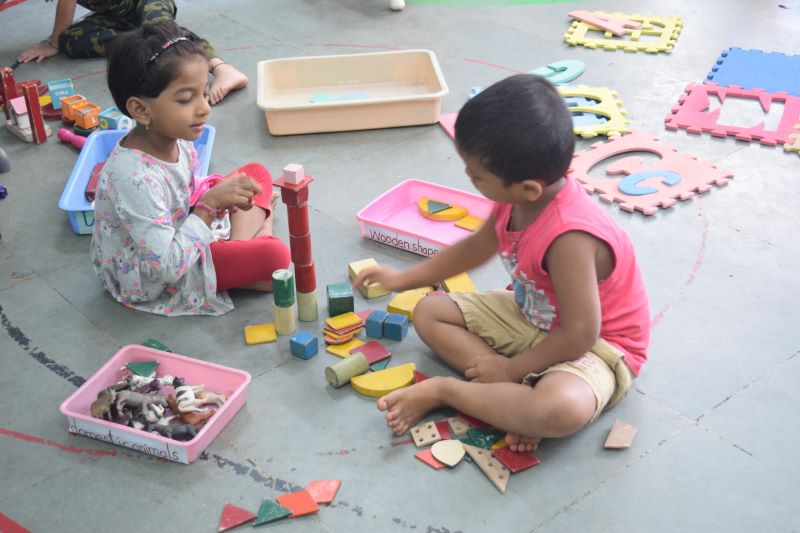
We champion activity-based learning that nurtures curiosity, moving away from rote instruction.

03

Worker As Facilitator

We support Anganwadi Workers transitioning from instructors to facilitators of learning.

04

Communities As Partners

Children thrive when families are actively engaged in meaningful learning experiences.

05

Local Solutions Last

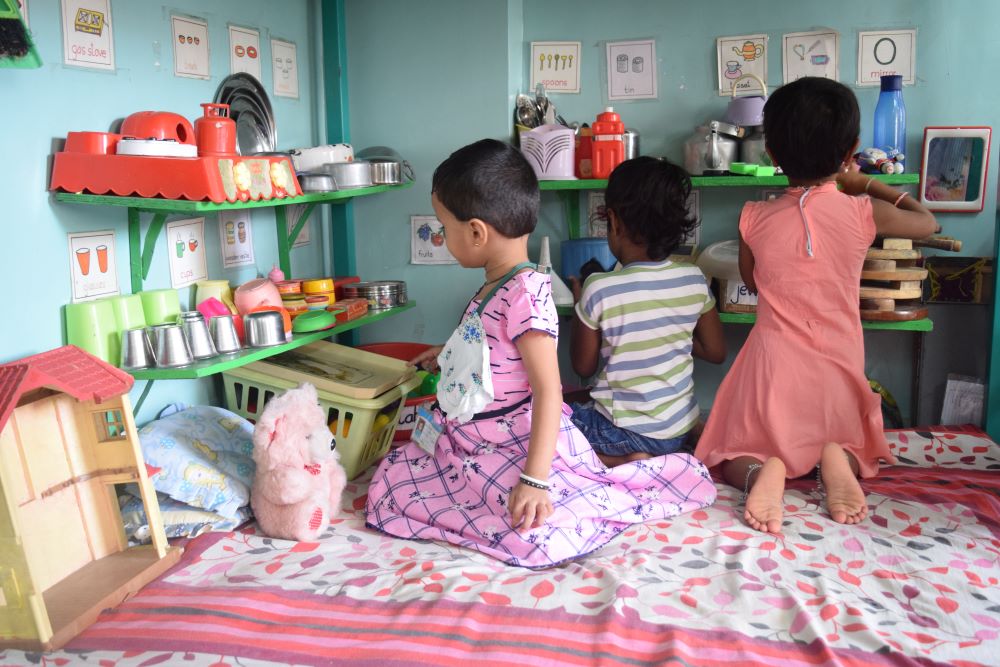
Low-cost, locally available materials create environments that are affordable and replicable.

How The Model Works

From One Centre To Entire Systems

Muktangan's approach is designed not only to improve practice, but also to build local ownership and create sustainable change. Every stage of the model strengthens the next, enabling the programme to grow from individual Anganwadis to clusters, districts and eventually larger public systems.

Build Professional Capacity
01

Build Professional Capacity

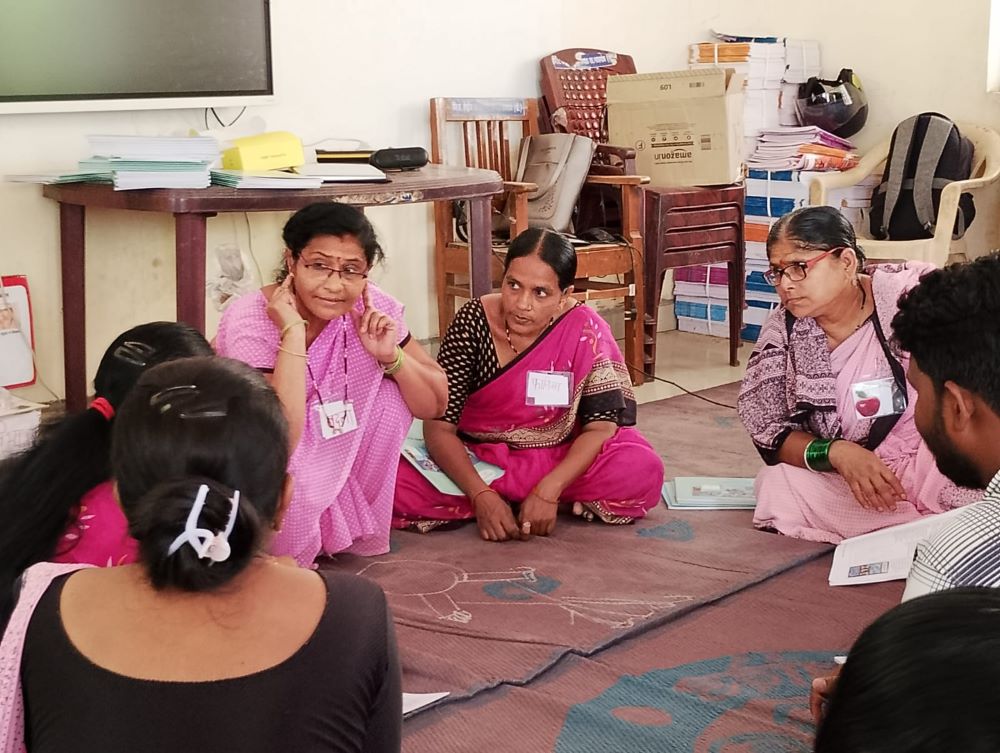
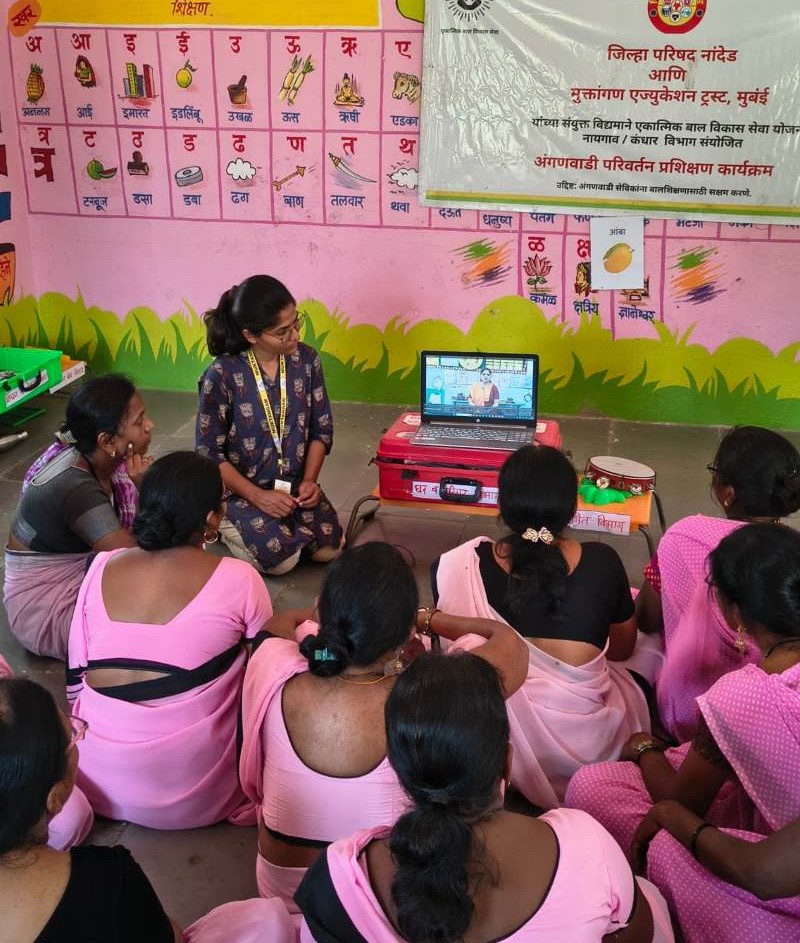
The journey begins by strengthening the professional capacity of Anganwadi Workers through structured training, on-site mentoring, and continuous support. Rather than focusing on one-time workshops, we help Workers translate new knowledge into everyday classroom practice, building their confidence as facilitators of children's learning.

Create Model Anganwadis
02

Create Model Anganwadis

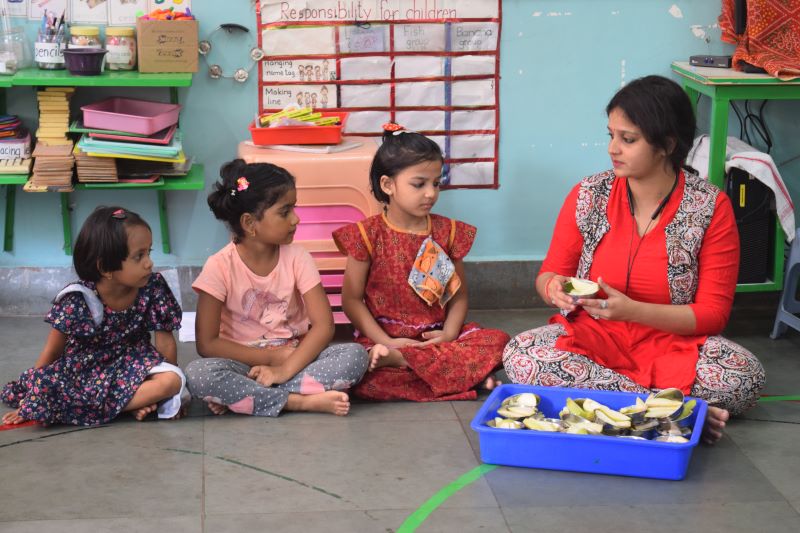
Selected Anganwadis are transformed into demonstration centres that showcase developmentally appropriate, play-based early learning in action. These centres become living learning laboratories where other Anganwadi Workers, Supervisors and government officials can observe effective practices, exchange ideas and learn through experience.

Develop Local Master Trainers
03

Develop Local Master Trainers

To ensure that change is sustained and expanded, Muktangan identifies and develops local Master Trainers who mentor fellow Anganwadi Workers and support ongoing implementation. This creates local leadership, reduces dependence on external support and strengthens ownership within the government system.

Embed the Model Within the System
04

Embed the Model Within the System

Over time, the programme's tools, practices and mentoring processes are integrated into existing government structures. As local leadership grows, responsibility gradually shifts to the system itself, creating a sustainable ecosystem that continues to evolve beyond Muktangan's direct involvement. This is what makes the model scalable – investing in people, strengthening systems, and building local leadership.

Model Anganwadi
Inside A Model Anganwadi

A Live Demonstration Of Quality Learning

  • Child-friendly learning corners for language, numeracy, art & play
  • Play-based daily routine balancing circle time and free play
  • Strong focus on school readiness & developmental milestones
  • Health, hygiene and family engagement woven into daily practice
Working In Partnership

Strengthening Public Systems

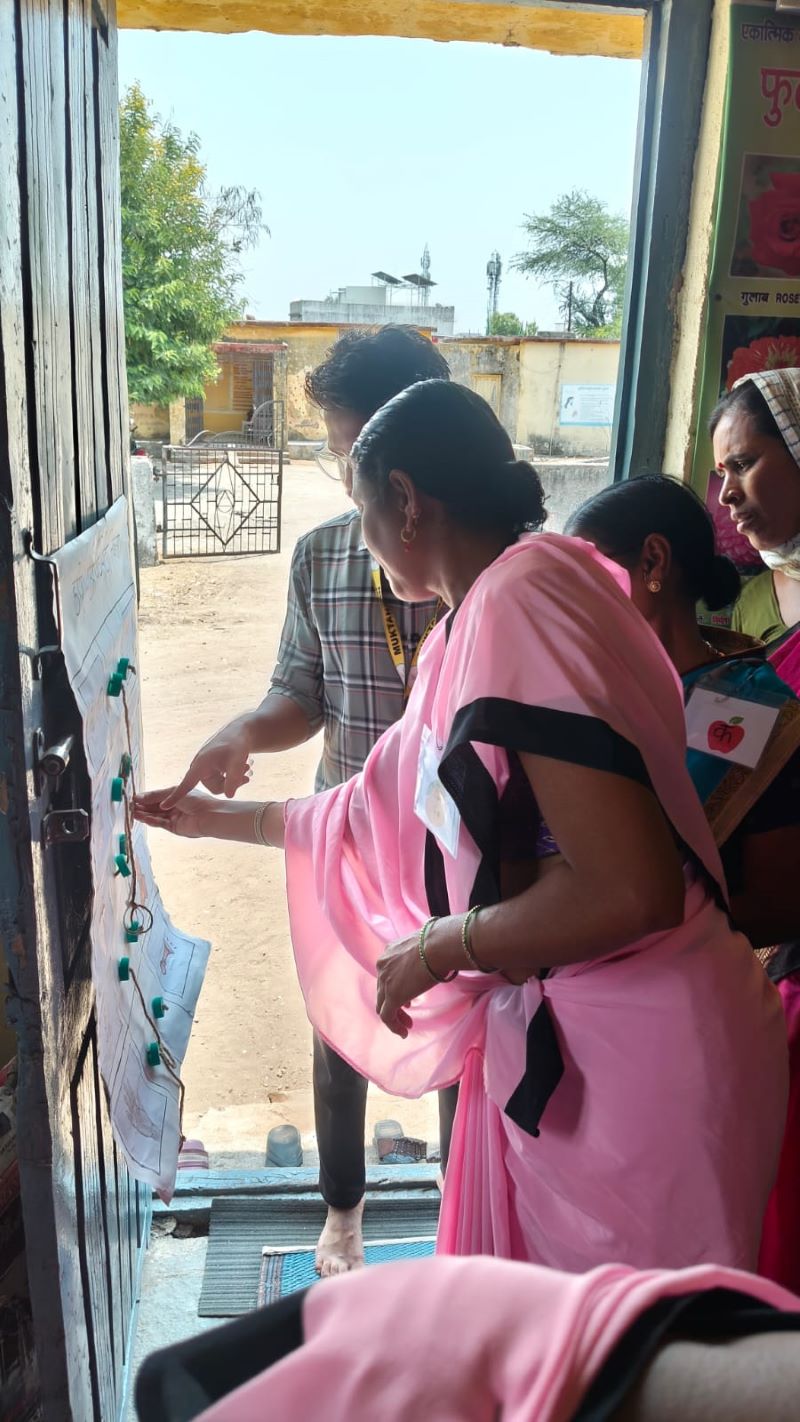
Muktangan partners with the District Administration, Zilla Parishad and ICDS in Maharashtra, beginning with over 500 Anganwadis in Nanded district - building a trusted local team with deep understanding of the region's context.

Government partnership
FAQs

Frequently Asked Questions

We strengthen professional capacity, create model learning environments, and build local leadership within existing government systems, rather than creating parallel programmes.

No. It focuses on strengthening teaching practice and learning environments using practical, affordable, locally available resources.

Yes. Core principles remain consistent, while implementation adapts to local needs, languages and government priorities.

Through continuous mentoring, development of local Master Trainers, government ownership, and integration within existing public systems.

Every Child Deserves A Strong Foundation

Whether you're a government department, a CSR or philanthropic organisation, or an educational institution - we'd welcome the opportunity to work together.